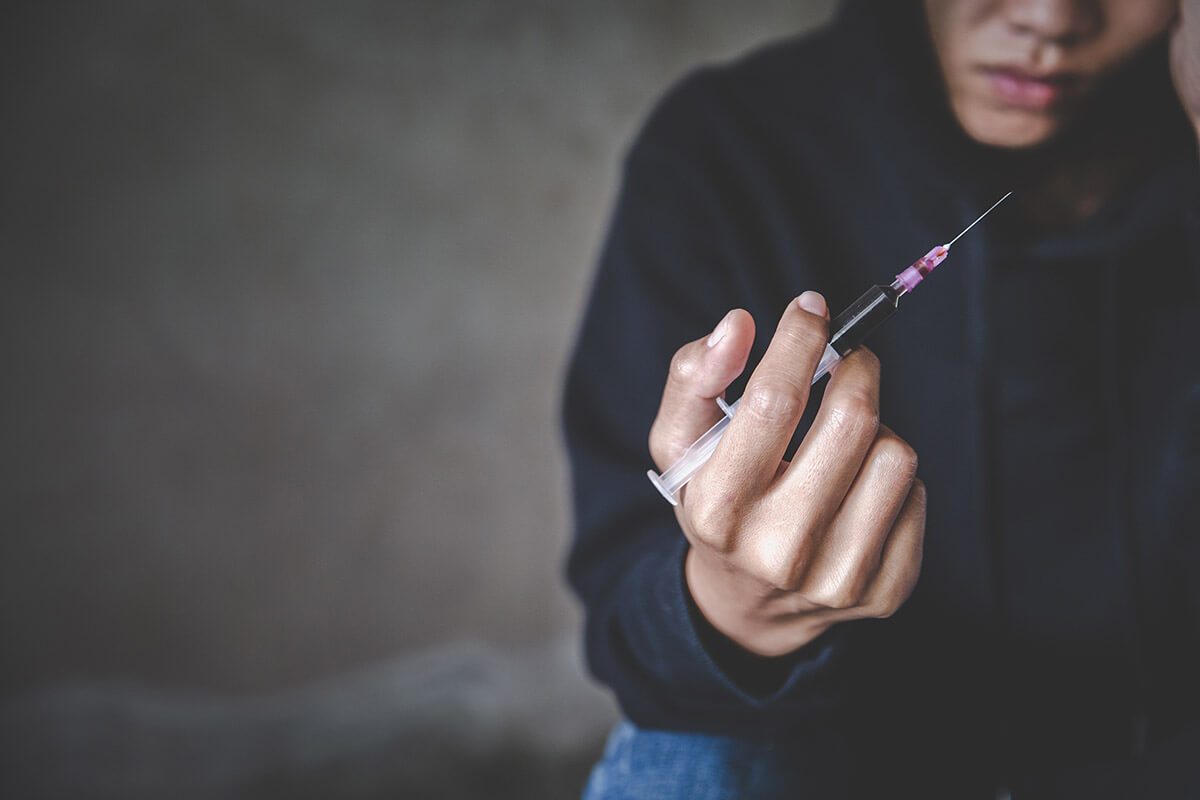
Heroin drug addiction affects far more than a person’s ability to control substance use. Over time, it can change physical health, emotional stability, family relationships, financial security, and the routines that once gave life structure. What may begin as an attempt to escape pain or cope with difficult circumstances can gradually become a cycle that affects nearly every part of daily living. Understanding these hidden effects is an important step toward recognizing when professional help is needed and why effective treatment must address the whole person.
Heroin is a powerful opioid that can lead to physical dependence and compulsive use. As addiction develops, obtaining and using the drug may take priority over responsibilities, relationships, and personal goals. However, these changes do not mean someone is beyond help. With appropriate addiction treatment, mental health support, and an individualized recovery plan, people can begin addressing the damage caused by heroin use and work toward a healthier future.
How Heroin Drug Addiction Affects Physical Health
One of the most serious consequences of heroin addiction is its effect on the body. Heroin changes how the brain processes pain, pleasure, and reward. Repeated use can lead to tolerance, meaning a person may need increasingly larger amounts to experience similar effects. Physical dependence can also develop, making it difficult to stop without experiencing withdrawal symptoms.
Changes in the Brain and Nervous System
Heroin acts on opioid receptors in the brain, influencing systems involved in pain relief, reward, and emotional regulation. Repeated exposure can affect how a person experiences pleasure and responds to everyday activities.
As dependence develops, activities that once felt enjoyable may become less satisfying. The individual may increasingly rely on heroin to feel comfortable or avoid withdrawal. These changes can contribute to cravings, impaired decision-making, and difficulty controlling substance use.
Recovery takes time because the brain and body need an opportunity to adjust. Professional treatment can help individuals manage dependence, address cravings, and develop healthier ways to respond to stress.
Effects on the Heart, Lungs, and Overall Health
Heroin use can create serious physical health risks. Its effects on breathing are particularly dangerous because opioids can slow respiratory function. An overdose can cause breathing to become dangerously slow or stop entirely.
Other health concerns may include:
- Increased risk of infections, particularly when injecting drugs.
- Skin and soft tissue infections, including abscesses.
- Bloodstream infections and heart valve infections.
- Respiratory complications.
- Poor nutrition and disrupted sleep.
- Greater vulnerability to illnesses associated with unsafe injection practices.
The risk of overdose is especially concerning when heroin is mixed with other substances, including alcohol or sedatives. Anyone experiencing a suspected opioid overdose needs emergency medical assistance. Naloxone can reverse an opioid overdose when administered promptly, and emergency services should still be contacted.
The Emotional and Mental Health Consequences of Heroin Addiction
The effects of heroin addiction are not limited to physical dependence. Substance use can also affect emotional well-being, self-esteem, and the ability to manage everyday challenges.
Some individuals begin using heroin to cope with anxiety, depression, trauma, grief, or chronic emotional distress. Although the drug may temporarily change how they feel, it does not resolve the underlying problem. Over time, dependence can make emotional difficulties more difficult to manage.
Anxiety, Depression, and Emotional Distress
People struggling with heroin addiction may experience persistent anxiety, low mood, irritability, or feelings of hopelessness. Withdrawal and cravings can intensify these experiences, making ordinary responsibilities feel overwhelming.
In some cases, mental health conditions existed before substance use began. In others, prolonged drug use contributes to worsening emotional symptoms. This is why treatment should consider both addiction and mental health rather than treating them as completely separate concerns.
Individual counseling, behavioral therapies, and appropriate mental health services can help people understand their emotional experiences and develop healthier coping strategies.
Shame, Guilt, and Loss of Confidence
Heroin addiction can create a painful cycle of promises, setbacks, and disappointment. Someone may feel guilty about missed responsibilities, financial difficulties, or the effect of substance use on loved ones.
These feelings can make it harder to ask for help. However, shame rarely supports meaningful recovery. A professional treatment environment should encourage honesty, personal responsibility, and realistic progress without defining someone by their addiction.
Building confidence often begins with achievable goals, consistent support, and opportunities to make healthier decisions.
How Heroin Addiction Changes Family Relationships
Addiction can affect everyone in a household, not only the person using heroin. Family members may experience fear, frustration, uncertainty, and emotional exhaustion as they try to understand what is happening.
Trust may become difficult to maintain when substance use leads to secrecy, broken commitments, or financial problems. Parents may worry about their children’s safety, while partners may struggle with the unpredictability of daily life.
Rebuilding Trust Takes Time
Restoring relationships after heroin addiction requires more than apologies. It involves consistent actions, honest communication, and a willingness to address the harm caused by substance use.
Family counseling can provide a structured setting for discussing difficult experiences and establishing healthier expectations. It can also help loved ones understand addiction as a serious health condition while recognizing the importance of personal boundaries.
Supporting a Loved One Without Enabling Substance Use
Families often want to protect someone they care about. However, repeatedly covering up the consequences of addiction or providing money that may support continued substance use can make the situation more difficult.
Healthy support can include:
- Encouraging professional addiction treatment.
- Communicating concerns calmly and directly.
- Establishing clear and consistent boundaries.
- Avoiding threats, humiliation, or judgment.
- Seeking counseling or support for family members.
- Learning how to respond to a crisis or suspected overdose.
Loved ones also need support for their own emotional well-being. They cannot control another person’s recovery, but they can make informed decisions about how to support safer and healthier choices.
The Impact on Work, Finances, and Everyday Responsibilities
As heroin addiction progresses, daily routines can become increasingly difficult to maintain. A person may struggle with attendance, concentration, motivation, and reliability at work or school. Financial resources may also become strained as substance use takes priority over essential expenses.
Household responsibilities, appointments, personal hygiene, and social commitments can gradually receive less attention. These changes are sometimes mistaken for laziness or a lack of concern. In reality, addiction can affect judgment, motivation, and the ability to prioritize activities.
Treatment can help individuals rebuild structure through practical recovery goals. Developing regular sleep habits, maintaining healthy meals, attending counseling, and reconnecting with meaningful activities can all support progress.
Why Effective Heroin Addiction Treatment Must Address the Whole Person
Because heroin addiction affects multiple areas of life, recovery should involve more than stopping drug use. A suitable treatment plan considers physical health, mental health, personal circumstances, and the support available outside a treatment setting.
Inpatient Treatment for Greater Structure and Support
Inpatient treatment may be appropriate for individuals who need a structured environment and consistent professional supervision. It can provide time away from familiar triggers while allowing participants to focus on medical needs, counseling, and recovery planning.
Depending on the program, services may include individual therapy, group counseling, mental health support, and recovery education. A qualified professional can help determine whether inpatient care is appropriate based on the person’s health, substance use history, and living circumstances.
Outpatient Care for Continued Recovery Support
Outpatient treatment allows individuals to receive services while living at home. It may be suitable for people whose clinical needs can be safely managed without residential care and who have a supportive environment.
Programs may include scheduled counseling, group sessions, relapse prevention education, and mental health services. Outpatient care can also help individuals practice recovery skills while managing work, family, and other responsibilities.
The best level of care is not determined by convenience alone. A professional assessment should guide the decision.
Individualized, Holistic, and Faith-Based Approaches
Every person’s experience with heroin addiction is different. Some may need support with trauma or depression, while others may need help rebuilding relationships, improving physical wellness, or reconnecting with personal values.
Individualized treatment can account for these differences. In addition to clinical services, some programs offer wellness activities, mindfulness practices, and faith-based support.
These approaches may help individuals develop healthier routines, find meaning, and strengthen their sense of connection. They should complement appropriate medical care and evidence-based addiction treatment rather than replace them.
Building a Healthier Life After Heroin Addiction
Recovery involves learning how to manage daily life without relying on heroin. This process takes time, and progress may include both achievements and difficult periods. A practical continuing-care plan can make the transition from formal treatment more manageable.
Important elements may include:
- Continuing individual or group counseling.
- Identifying situations that increase cravings.
- Developing a plan for responding to stress.
- Rebuilding healthy family and social connections.
- Establishing consistent sleep, nutrition, and exercise routines.
- Attending peer recovery meetings or other support activities.
- Maintaining contact with qualified healthcare professionals.
Relapse prevention is another important part of long-term care. Individuals should know how to recognize warning signs and seek help before difficulties become more serious. If a return to opioid use occurs, prompt professional support is essential. Tolerance may have decreased during a period of abstinence, increasing the risk of overdose if someone returns to a previously used amount.
Take the First Step Toward Recovery and Support
The hidden impact of heroin drug addiction can reach into nearly every part of a person’s life. It can affect physical health, emotional stability, family relationships, financial security, and the ability to manage everyday responsibilities. Yet these effects do not have to define the future.
Effective treatment offers an opportunity to address the underlying causes of substance use, receive appropriate mental health care, and develop practical skills for maintaining recovery. Whether inpatient or outpatient services are most suitable, the right plan should reflect the individual’s needs and provide support beyond the initial stages of treatment.
If heroin addiction is affecting you or someone close to you, consider reaching out to a qualified treatment provider for an assessment. Asking for help is not a sign of weakness. It is a practical decision that can open the door to better health, stronger relationships, and a more stable life.
